

Treatment for Frozen Shoulder: What Are Your Options?
Frozen shoulder, also known as adhesive capsulitis, is a condition characterised by pain and progressive stiffness of the shoulder joint. It can significantly limit arm movement and interfere with daily activities such as dressing, reaching overhead, or sleeping comfortably. The condition often develops gradually and may persist for months or, in some cases, longer.
Treatment for frozen shoulder focuses on relieving pain, improving mobility, and restoring shoulder function over time. The appropriate approach depends on the stage of the condition, symptom severity, and individual patient factors.
What Is Frozen Shoulder?
Frozen shoulder occurs when the capsule surrounding the shoulder joint becomes inflamed and thickened, leading to restricted movement. The condition is commonly described as progressing through stages, which may include an initial painful phase followed by increasing stiffness and, eventually, gradual improvement.
Frozen shoulder may develop without a clear cause or following shoulder injury, surgery, or prolonged immobility. Certain medical conditions, such as diabetes and thyroid disorders, are also associated with a higher incidence of frozen shoulder.
Goals of Treatment
The main goals of frozen shoulder treatment are to:
- Reduce shoulder pain
- Improve range of motion
- Restore functional use of the arm
- Support gradual recovery while minimising discomfort
Treatment plans are often individualised, as recovery timelines and symptom patterns can vary between patients.
Non-Surgical Treatment Options for Frozen Shoulder
Pain Management
Pain relief is an important early focus, particularly during the painful phase of frozen shoulder. Management may include oral pain medication or anti-inflammatory medication to help control discomfort and allow participation in rehabilitation exercises.
In some cases, corticosteroid injections may be considered to reduce inflammation and pain within the shoulder joint, particularly when symptoms are limiting daily function.
Physiotherapy and Exercise
Physiotherapy plays a central role in frozen shoulder treatment. A structured rehabilitation programme typically focuses on gentle stretching and range-of-motion exercises designed to gradually improve shoulder mobility.
Exercises are often adjusted according to the stage of frozen shoulder, as overly aggressive movement may worsen pain in the early phases. Consistency and progression over time are important components of physiotherapy-based management.
Activity Modification
Temporary modification of daily activities may help reduce pain and prevent further irritation of the shoulder joint. Avoiding sudden or forceful movements and adapting tasks to reduce strain on the affected shoulder may support recovery.
When Should You Consult a Specialist?
Persistent shoulder pain and stiffness that do not improve with initial treatment may warrant assessment by an orthopaedic shoulder specialist. Clinical evaluation helps confirm the diagnosis and rule out other shoulder conditions that may present with similar symptoms, such as rotator cuff disorders or arthritis.
Orthopaedic specialists such as Dr Alan Cheung in Singapore, can help in assessing shoulder conditions and discussing appropriate treatment options based on individual findings.
Surgical and Interventional Treatment Options
Joint Injections and Distension Procedures
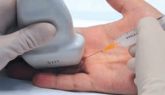
For some patients, image-guided joint injections or hydrodilatation (joint distension) procedures may be considered. These aim to reduce inflammation and stretch the joint capsule, potentially improving pain and movement when conservative measures alone are insufficient.
Manipulation Under Anaesthesia
Manipulation under anaesthesia involves gently moving the shoulder joint while the patient is under anaesthesia, with the aim of releasing stiffness. This option may be considered in selected cases where mobility remains significantly restricted despite non-surgical treatment.
Arthroscopic Shoulder Surgery
Arthroscopic shoulder surgery may be considered when symptoms are severe, persistent, and resistant to other treatments. The procedure involves releasing tight portions of the joint capsule using minimally invasive techniques to improve shoulder movement.
Surgical intervention is typically reserved for cases where prolonged non-surgical management has not resulted in adequate improvement.
Recovery and Rehabilitation Considerations
Recovery from frozen shoulder can be gradual, regardless of the treatment approach. Rehabilitation following interventional or surgical treatment continues to play an important role in restoring shoulder movement and strength.
Regular follow-up and adherence to physiotherapy programmes are important in supporting functional recovery and reducing the risk of persistent stiffness.
When to Seek Further Advice
Patients may consider further medical evaluation if shoulder pain or stiffness:
- Persists for several months
- Progressively worsens
- Significantly interferes with daily activities or sleep
- Does not respond to initial treatment
Early assessment may help guide appropriate management and set realistic expectations for recovery.
Frozen shoulder is a condition that can cause prolonged pain and stiffness, but a range of treatment options are available to support recovery. Non-surgical management, including pain control and physiotherapy, forms the foundation of treatment for many patients, while interventional or surgical options may be considered in selected cases. Individual assessment and a tailored treatment plan remain central to effective management.